
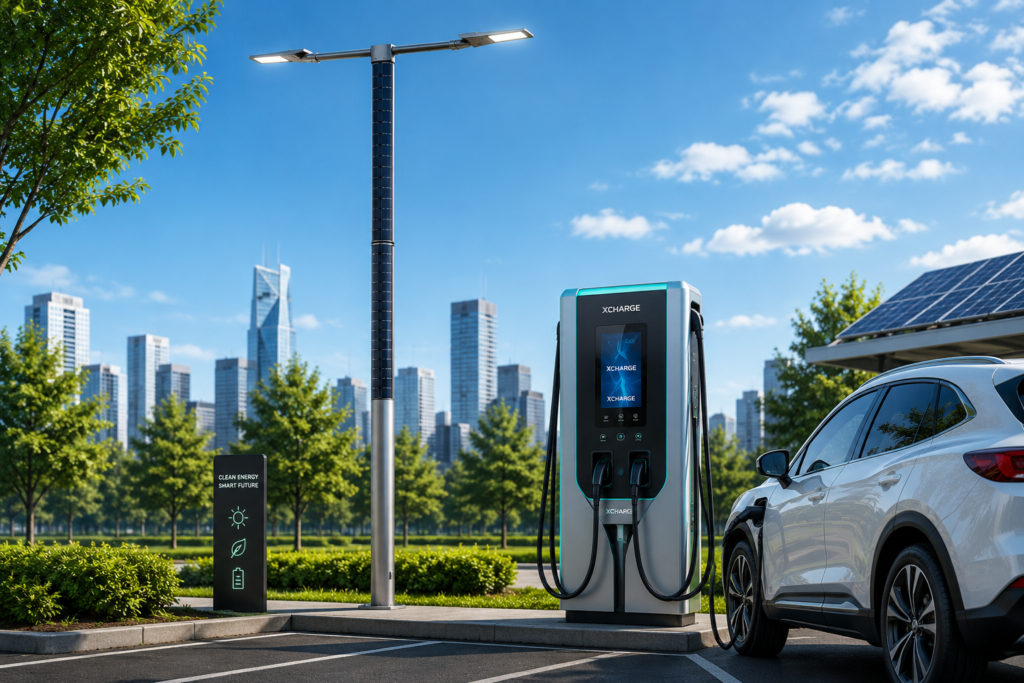
Rising oil prices and growing electricity demand are exposing a critical weakness in how cities power their infrastructure. Public lighting—often consuming 10–40% of municipal electricity—places a heavy burden on national grids, especially in developing economies.
What is often overlooked is how electricity costs are structured. In many utility systems today:
Residential customers can pay as high as $0.43/kWh (summer peak daytime), where up to 91% of the cost comes from transmission and distribution (T&D)
Even during lower demand periods, around $0.08/kWh (off-peak evening), approximately 67% of the cost is still tied to transmission and distribution.
This reveals a critical insight: The majority of electricity costs are not from generation, but from moving power across the grid. At the same time, the rise of electric vehicles (EVs), digital industries, and urban expansion is increasing pressure on already strained energy systems.

Agamine Solar Smart Hybrid Streetlights offer a transformative solution by converting traditional lighting into decentralized, off-grid, energy-generating infrastructure that delivers clean, green energy with zero emissions.
A Smarter Approach to Energy Use
As electricity becomes a strategic economic resource, using grid power for street lighting creates inefficiencies. That same energy could instead support high-value sectors such as manufacturing, data centers, and EV charging.
Solar-powered lighting systems solve this by:
- Freeing up grid electricity for economic growth
- Reducing reliance on fossil fuels
- Eliminating a significant portion of transmission and distribution costs by generating power locally
- Providing off-grid renewable energy that produces zero emissions
- This shift is not just about energy; it is about cost structure transformation and environmental sustainability.
What Makes Agamine Streetlights Different
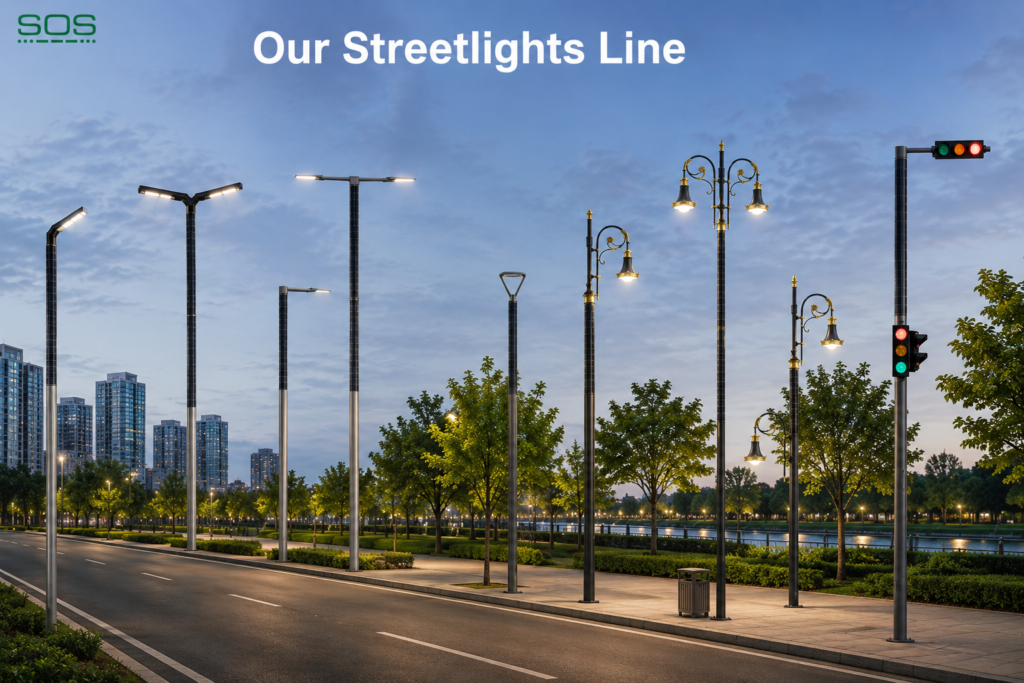
These systems integrate multiple technologies into a single smart pole:
- Solar panels and battery storage
- High-efficiency LED lighting
- AI-driven smart sensors
- Optional grid backup
They generate and use power locally, eliminating underground cabling and significantly reducing transmission losses and infrastructure costs.
Instead of paying for electricity that is mostly transmission cost, cities produce clean energy at the point of use off-grid and emission-free.
Why This Is Strategic Infrastructure
1. Energy Independence
Reduces reliance on centralized grids and fossil fuels, improving resilience during energy shocks and outages.
2. Major Cost Savings
Cuts public lighting costs by 60–90% over 20 years.
More importantly, it avoids the highest-cost portion of electricity transmission and distribution, which can represent 67% to 91% of total energy costs.
3. Economic Growth Enablement
Frees electricity for productive sectors like industry, logistics, and technology—while easing pressure on existing grid infrastructure.
Reducing T&D demand allows governments to:
- Delay expensive grid expansion
- Improve efficiency of existing infrastructure
- Allocate energy where it creates the most economic value
4. Rural & Off-Grid Impact
Provides fast, low-cost lighting without extending transmission lines, accelerating rural development and electrification.
These off-grid systems deliver immediate lighting and clean energy access with zero emissions, eliminating one of the most capital-intensive components of energy infrastructure.
Powering the EV Ecosystem
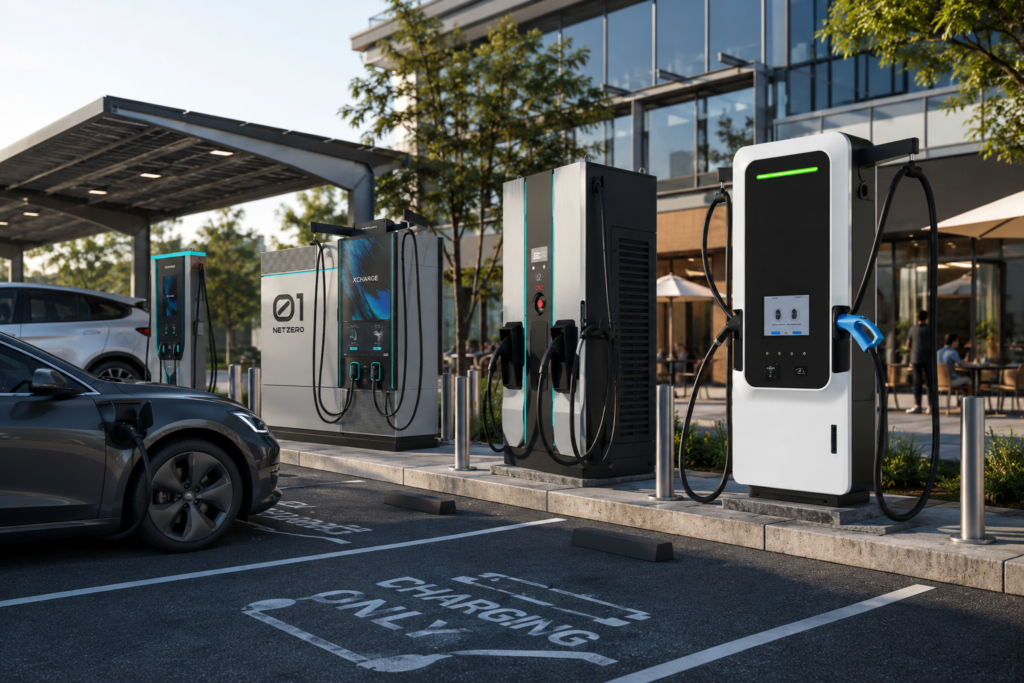
Agamine streetlights can function as multi-purpose energy nodes, supporting:
- EV charging
- Public Wi-Fi
- Surveillance and traffic systems
- Environmental monitoring
When integrated with EV charging, these systems provide solar-powered, off-grid charging that delivers green energy with zero emissions, reducing both fuel dependency and grid strain.
This distributed model supports EV adoption while avoiding additional transmission costs and grid congestion. Global EV growth, led by countries like Norway and China and companies such as Tesla, will depend heavily on decentralized, renewable-powered infrastructure.
When integrated with EV charging, these systems provide solar-powered, off-grid charging that delivers green energy with zero emissions, reducing both fuel dependency and grid strain.
This distributed model supports EV adoption while avoiding additional transmission costs and grid congestion.
Global EV growth, led by countries like Norway and China and companies such as Tesla, will depend heavily on decentralized, renewable-powered infrastructure.
A Major Opportunity for Emerging Markets
Countries like Ethiopia are advancing electrification strategies aligned with renewable energy.
Across Africa and other high-growth regions, solar smart lighting offers:
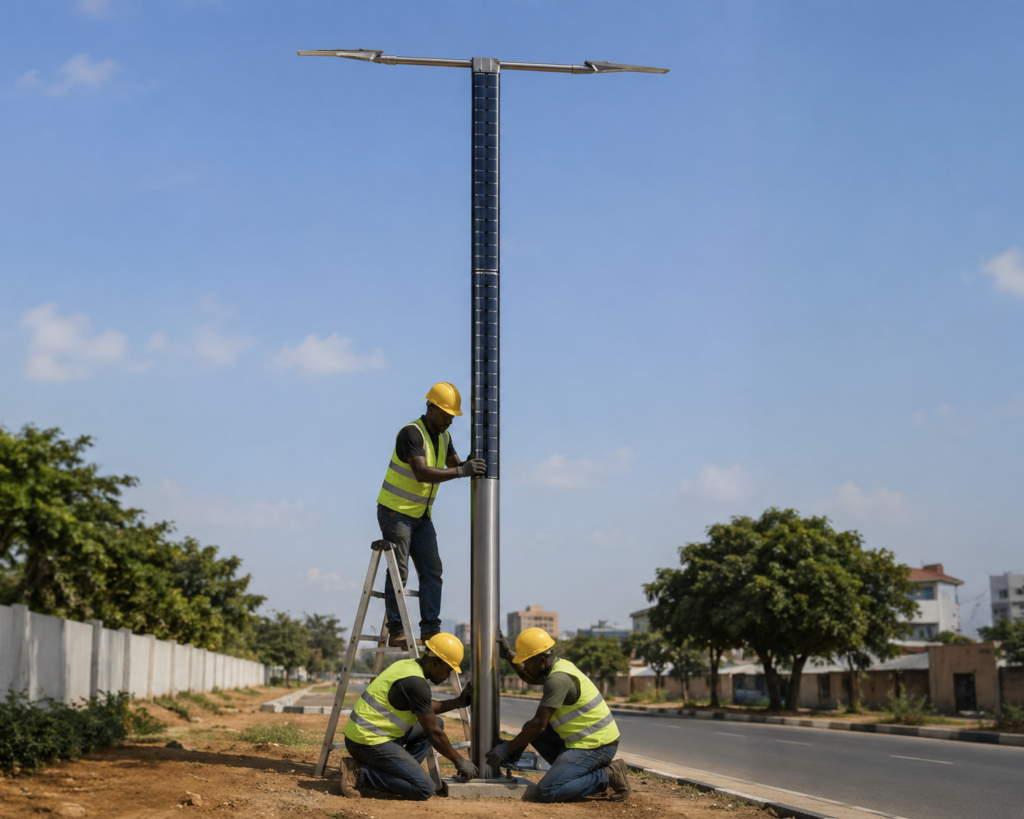
- Reduced fuel imports
- Lower electricity demand
- Reduced transmission and distribution infrastructure costs
- Job creation and local industry development
- Improved safety and urban infrastructure
- Access to clean, off-grid, zero-emission energy systems
- Toward Smart Cities and EV Corridors
Deployed at scale, these systems can support:
- Solar-powered EV charging corridors
- Smart traffic and AI systems
- Future autonomous vehicle infrastructure
- Integrated energy and data networks
- Streetlights are evolving into critical decentralized, clean energy nodes, powering smart cities with renewable, zero-emission energy.
Policy & Investment Priorities
Governments should:
- Transition to national solar smart lighting programs
- Require EV-ready infrastructure
- Leverage public–private partnerships and green financing
- Promote local manufacturing
- Prioritize decentralized energy systems to reduce transmission and distribution costs
- Accelerate adoption of off-grid, zero-emission infrastructure
Conclusion
Agamine Smart Hybrid Solar Streetlights are more than a lighting upgrade, they are a fundamental shift in how energy is produced, delivered, and consumed. By reducing dependence not only on fossil fuels but also on high-cost transmission and distribution systems which can account for up to 90% of electricity costs they offer a more resilient, efficient, and scalable model. Most importantly, they enable a future powered by clean, off-grid, zero-emission energy, supporting both sustainable cities and the global transition to electric mobility.
In a world of rising energy demand and volatile fuel prices, adopting this infrastructure is no longer optional. It is a strategic economic and environmental imperative for the future. To learn more visit our Technology Innovation Center in Vancouver, Washington, or Orlando, Florida.

Written by: Abdul Bigirumwami – SOS Global

