
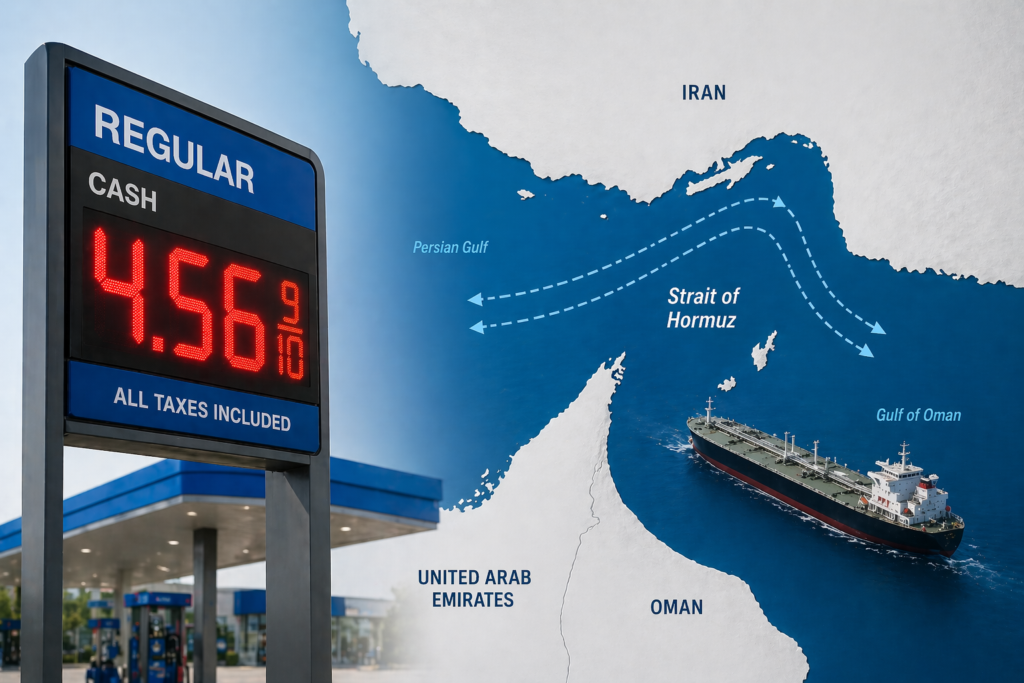
Ongoing instability in the Middle East—culminating in the recent conflict—has pushed U.S. gas prices toward an average of over $4.00 per gallon. While the reopening of the Strait of Hormuz is a positive sign, historical data and supply chain logistics confirm that energy prices will remain elevated for months, and the threat of future “price shocks” is the new normal.
The Myth of the “Quick Recovery”
When the Strait of Hormuz reopens, many expect an immediate drop at the pump. However, research into “Sticky Price” theory and supply chain logistics suggests otherwise:
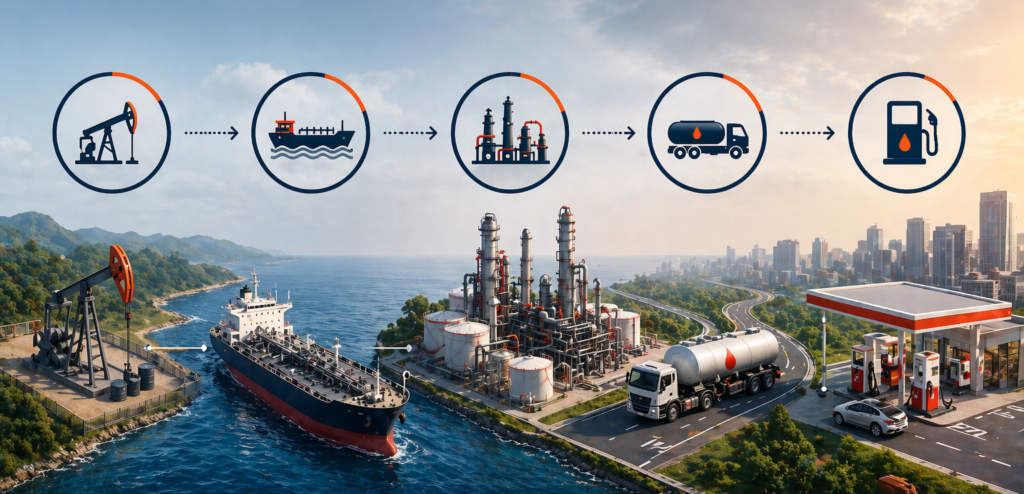
- The 10-Week Lag: Industry analysts at S&P Global note that even after the waterway opens, it takes approximately 10 weeks for a tanker to reach a refinery, process the crude, and distribute the refined product to your local station.
- “Rockets and Feathers” Effect: Economists observe that gasoline prices rise like rockets but fall like feathers. While crude prices may plunge 10% on news of a ceasefire, retail gas prices historically take months to “normalize” as retailers recoup losses incurred during the spike.
- The Traffic Jam: Currently, over 150 tankers are anchored around the Strait, creating a logistical “bottleneck” that will take at least four months to clear, keeping shipping and insurance rates—and thus your energy costs—inflated.
The Uncertainty Cycle: Why It Will Happen Again
The current conflict has reminded the global market that 20% of the world’s oil flows through a single, vulnerable 21-mile-wide point.
- Geopolitical Fragility: Historical data from the 1973 Embargo, the 1979 Revolution, and the 2003 Iraq War show that Middle Eastern disruptions are rarely “one-off” events; they are recurring cycles that upend economies every decade.
- Energy as a Weapon: The closure of the Strait has proven that energy is the primary lever in modern warfare. As long as our infrastructure relies on fossil fuels, your operational costs are a hostage to foreign policy.
Breaking the Cycle with SOS America
In an unpredictable world, SOS America offers the only permanent hedge against geopolitical risk. By integrating Commercial Solar with Smart EV Charging and IoT-enabled Streetlights, we help you create a “closed-loop” system that:
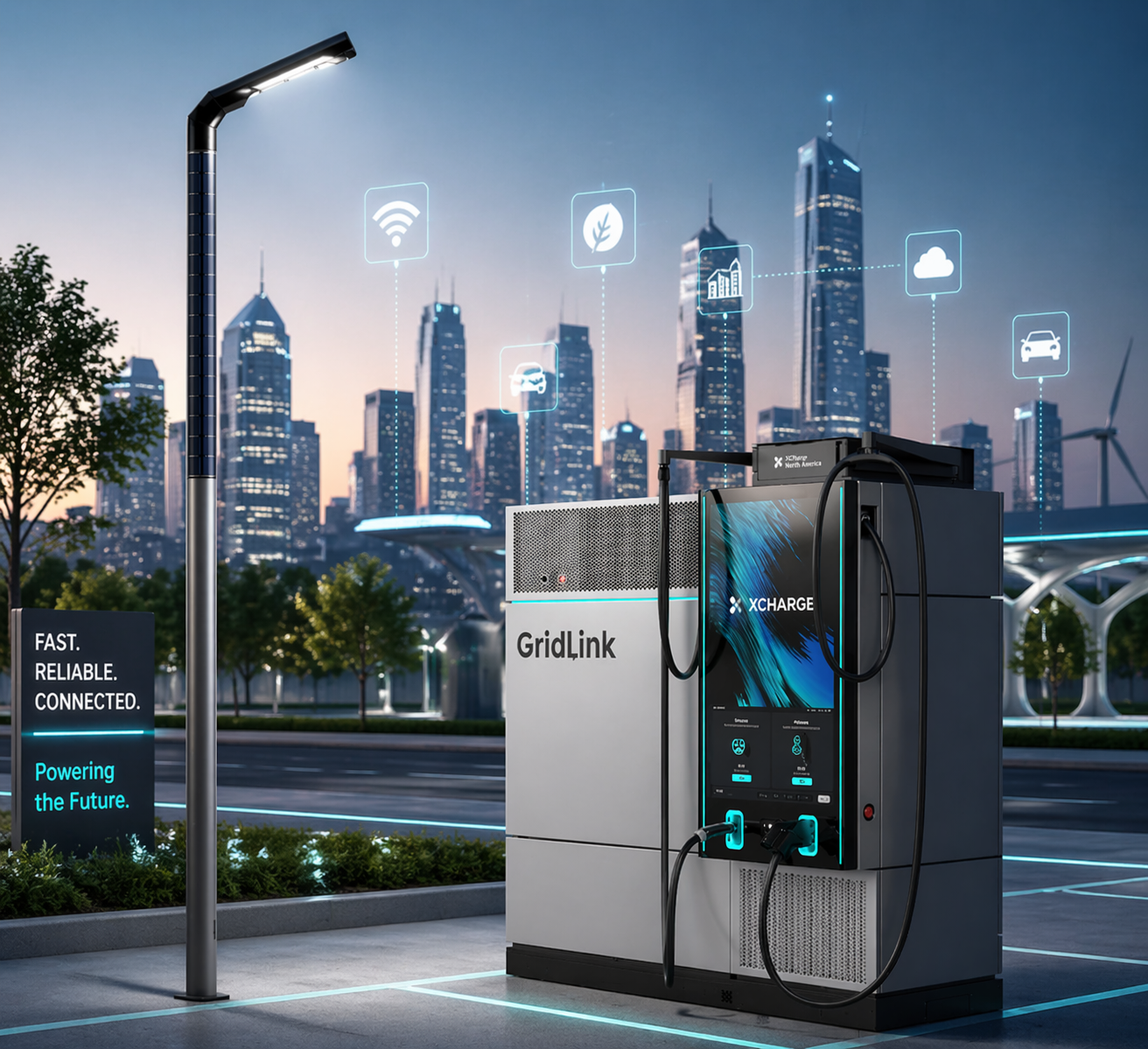
- Eliminates the Lag: Solar energy is generated and consumed on-site. It doesn’t wait for tankers or refineries.
- Locks in Costs: While gas prices swing by 37% in seven weeks, your solar “fuel” cost remains $0.00 for the 25-year life of the system.
- Future-Proofs Assets: Transitioning to our XCHARGE EV infrastructure now ensures that the next time the Strait closes, your fleet and your customers stay moving while others are stranded at the pump.
Take Control of Your Energy Future
The conflict has proven that relying on global fossil fuel markets is a strategic vulnerability. It is time to shift toward infrastructure that you own and control.
Interested in how we can help your city, organization, facility, or home reduce your dependence on the grid or fossil fuel? Ask us about our Smart Infrastructure Assessment to begin your journey toward a more connected, sustainable future.

By Patrice Tsague – CEO of SOS America

